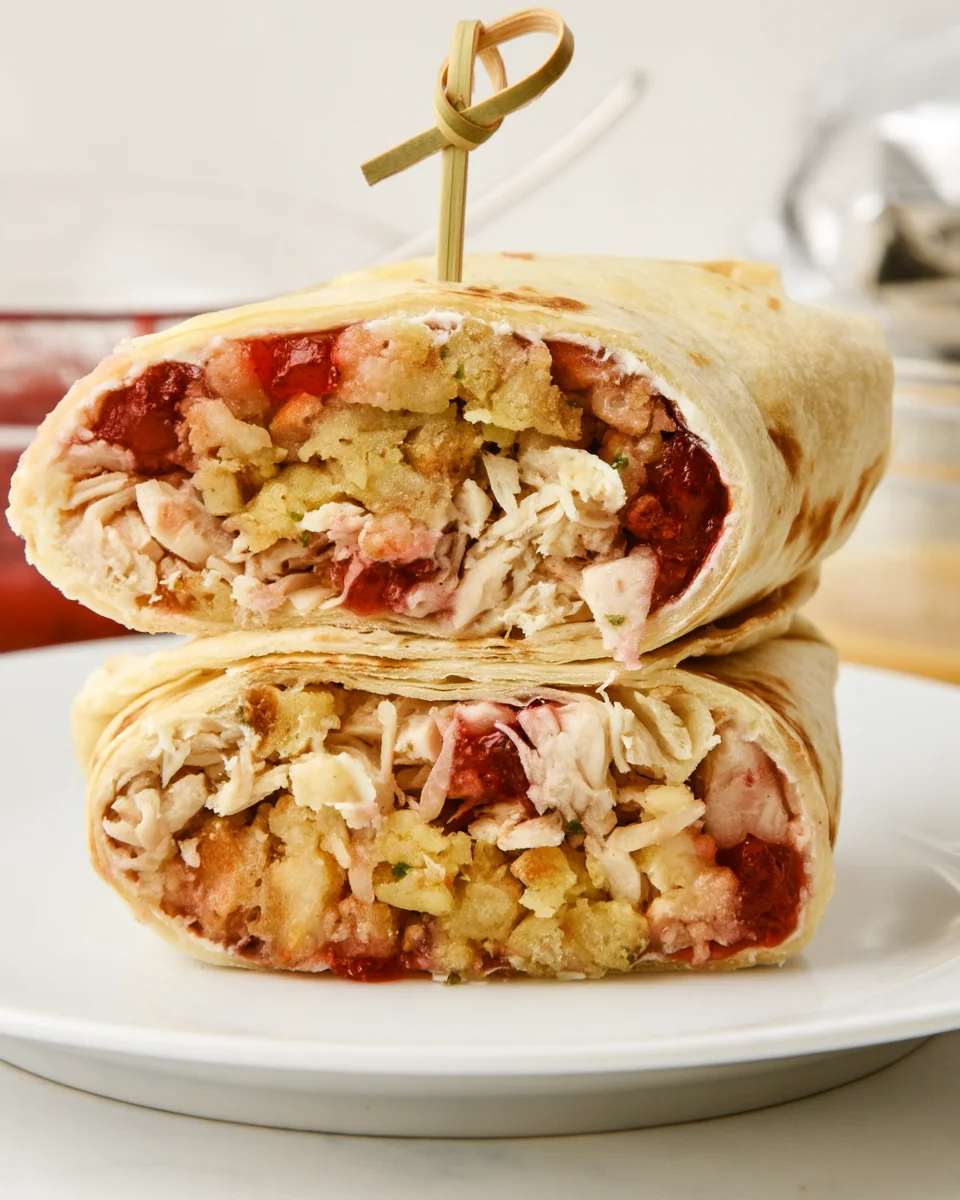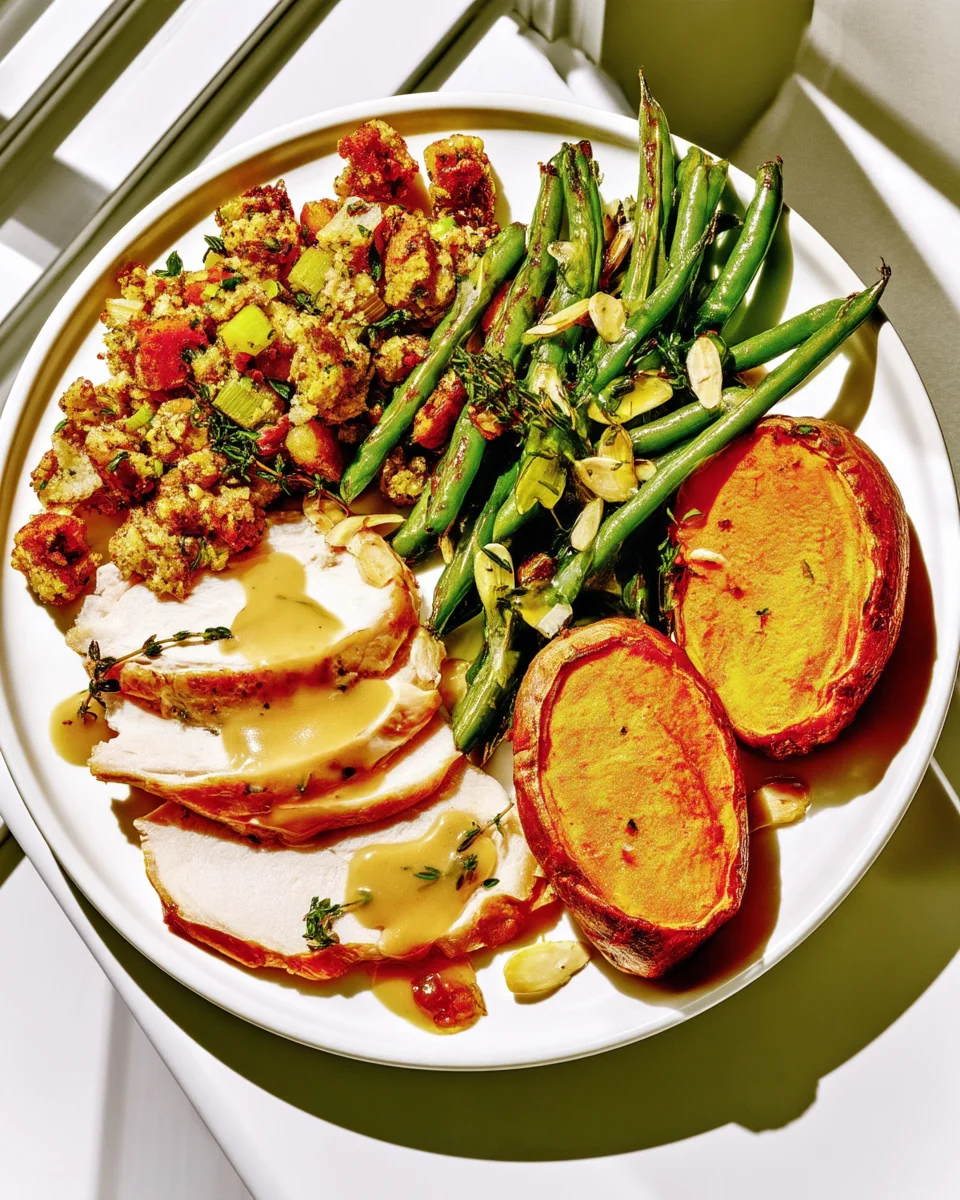
Turkey Noodle Casserole is a comforting dish that brings together tender pieces of turkey, creamy sauce, and chewy noodles for a satisfying meal. Perfect as a weeknight dinner, it's especially ideal for transforming leftover turkey into something delicious after a holiday feast. The guilt-free satisfaction comes from each layer melding together beautifully, making every bite cozy and fulfilling.
This version of Turkey Noodle Casserole tackles a common issue: overcooked noodles leaving a mushy texture. By boiling the noodles just until they're al dente—firm to the bite before baking—you ensure they hold their shape and add the right structure to the casserole. This small but crucial step elevates the final dish, delivering a texture that contrasts perfectly with the creamy filling.
Why You'll Love This Recipe
- Maintains Noodle Texture — Cooking the noodles to al dente prevents them from becoming mushy during baking, so you get that ideal bite.
- Uses Leftovers Wisely — Diced turkey transforms into a flavorful centerpiece, making it a resourceful way to reduce food waste after holidays.
- Cheesy Goodness — With plenty of cheddar cheese melted throughout, each spoonful is rich, cheesy, and utterly comforting.
- Compatible with Many Diets — You can easily tailor this casserole to accommodate various dietary needs with simple swaps.
- Quick Cleanup — Made in one skillet and then baked, it's easy to clean up afterwards without the fuss of multiple pots and pans.
Ingredients & Substitutions
Serves 4
For the Casserole
- 6 ounces wide egg noodles — holds sauce well; you can substitute with rotini but avoid long pasta shapes.
- 3 tablespoons butter — adds richness; margarine or olive oil works but changes the flavor slightly.
- 1/2 cup onion, minced — for depth of flavor; shallots can be used for a milder taste.
- 1 1/4 cups peas — contributes sweetness; frozen or fresh work, but avoid canned as they can be mushy.
- 2 cups diced cooked turkey — provides protein; rotisserie chicken can substitute brilliantly.
- 10.75 ounces cream of chicken soup — the creamy base; homemade or cream of mushroom soup are alternatives but will slightly change flavor.
- 1 1/2 cups milk — thins the soup; use whole or low-fat for best results—non-dairy milk can work but may alter creaminess.
- 1 teaspoon dried sage — herb flavor; fresh sage works but use triple the amount as it's less potent.
- 1 teaspoon dried thyme — adds earthy notes; fresh thyme can double the quantity for the best taste.
- 1 1/2 cups shredded cheddar cheese — provides cheesiness; swap with Monterey Jack or a cheese blend for variety.
- 1/2 cup Panko bread crumbs — for crunch on top; traditional bread crumbs work but won’t be as crispy.
How to Make Turkey Noodle Casserole
Step 1: Preheat the Oven
Preheat your oven to 375°F (190°C). This allows the casserole to bake evenly and properly achieve that bubbly texture you'll want.
Step 2: Cook the Noodles
Boil 6 ounces of wide egg noodles according to the package instructions, just until they are al dente, about 8 minutes. You want them firm as they'll finish cooking in the oven. Drain and set them aside in a bowl while you prepare the rest.
Step 3: Sauté the Onions
In a large skillet, melt 1 tablespoon of butter over medium heat. Add 1/2 cup of minced onion. Sauté for about 5 minutes, until the onions are translucent and fragrant, giving the dish a solid base of flavor.
Step 4: Prepare the Sauce
In a medium bowl, empty 10.75 ounces of cream of chicken soup. Add 1 1/2 cups of milk, 1 teaspoon of dried sage, and 1 teaspoon of dried thyme. Whisk until smooth, then set aside before you move on.
Step 5: Combine Ingredients
To the skillet with onions, add 2 cups of diced cooked turkey and 1 1/4 cups of peas. Pour in the soup mixture and bring it to a gentle boil; this should take about 3 minutes while stirring often until everything is heated through.
Step 6: Mix and Assemble
Remove the skillet from heat and gently fold in the drained noodles along with 1 cup of shredded cheddar cheese. Mix until everything is evenly coated. Spoon this mixture into an 8×8-inch baking dish.
Step 7: Prepare the Topping
In a separate microwave-safe bowl, melt the remaining 2 tablespoons of butter. Combine with the remaining 1/2 cup of shredded cheddar cheese and 1/2 cup of Panko bread crumbs. Mix well, then sprinkle evenly over the noodle mixture in the baking dish.
Step 8: Bake
Place the casserole in the oven and bake for 25–30 minutes. It's ready when the edges are bubbling and the top is golden brown. Let it cool slightly, about 5-10 minutes, to allow the flavors to meld together before serving. Enjoy the homely aroma that fills your kitchen as it bakes!
How to Serve Turkey Noodle Casserole
Turkey Noodle Casserole delights when served correctly, enhancing its comforting qualities and inviting texture. Here, you'll find practical advice on how to present it and what dishes complement its flavors.
Serving Ideas
- Serve warm for the best texture — Let the casserole sit out for about 5-10 minutes after baking before serving, as this allows it to set and makes portioning easier.
- Dish it into individual ramekins — For a comforting presentation, use small baking dishes; this will keep the casserole warm longer and add a personal touch for serving at gatherings.
- Pair with a fresh salad — A side of crisp greens dressed in a light vinaigrette balances the richness. The crispness of lettuce contrasts beautifully with the creamy casserole.
- Use a cast-iron skillet to keep it crispy — If you want a golden crust, transfer it to a preheated cast-iron skillet before baking; it will deliver a delightful crunch on the bottom.
What to Serve Alongside
- Mixed Greens Salad — The acidity from the dressing cuts through the creaminess, brightening the meal.
- Roasted Brussels Sprouts — Their slightly bitter notes provide balance against the rich, cheesy casserole.
- Cranberry Sauce — This adds a sweet-tart element that complements the savory turkey flavors well.
- Garlic Bread — A crusty side offers a sturdy texture that pairs nicely with the softer casserole.
- Steamed Green Beans — Their crisp-tender texture contrasts perfectly with the creamy, hearty casserole.
- Pickles or Olives — A salty, tangy bite adds a pleasant contrast that enhances the overall flavor.
 Pin it
Tips for the Best Turkey Noodle Casserole
To ensure your Turkey Noodle Casserole becomes a family favorite, keep the following tips in mind. These insights come from my experience making this dish numerous times.
- Cook the noodles al dente — This ensures they don't turn mushy when baked. Follow the package instructions but reduce the cooking time by 1-2 minutes. They should have a firm bite to them.
- Add the soup mixture to a hot skillet — This helps integrate flavors faster and melds the chicken soup with the turkey and peas, enhancing the overall taste.
- Use freshly shredded cheese — Pre-packaged cheese has anti-caking agents that can affect melting; freshly shredded cheese will melt more smoothly and blend beautifully into the casserole.
- Adjust the seasoning after combining — Taste the turkey mixture before placing it in the baking dish. If it needs a boost, add more thyme, sage, or even a pinch of salt to brighten the flavors.
- Cover with foil for the first 20 minutes of baking — This traps moisture and prevents the top from browning too quickly. Remove the foil for the final 5-10 minutes to achieve that golden top.
- Cool before serving to set — Allow the casserole to rest for around 5-10 minutes after it comes out of the oven. This resting time helps the flavors meld and makes it easier to serve.
- Store properly to maintain texture — Keep leftovers in an airtight container for up to 3 days. For longer storage, freeze for up to 2 months, but note that the texture of the noodles may change slightly upon reheating.
How to Store Turkey Noodle Casserole
Turkey noodle casserole keeps best in the refrigerator due to its combination of cooked meat and dairy. To preserve its flavor and texture, store any leftovers promptly.
Refrigerator
- Store leftovers in an airtight container for up to 3 days.
- Use a glass or plastic container with a tight-fitting lid to minimize air exposure.
- Discard if you see signs of mold or the casserole has an off smell.
Freezing Turkey Noodle Casserole
- Freeze for up to 2 months in a freezer-safe container.
- Wrap well in plastic wrap and then in aluminum foil for maximum protection against freezer burn.
- If the texture seems grainy upon reheating or the casserole separates, it’s past its prime.
Reheating Turkey Noodle Casserole
Reheat your turkey noodle casserole in the oven at 350°F (175°C) for about 20-25 minutes or until heated through. For best results, cover it with foil to prevent the top from overbrowning while warming. Let it rest for 5-10 minutes before serving to ensure even heat distribution.
Frequently Asked Questions
Can I make Turkey Noodle Casserole ahead of time?
You can prepare the casserole a day in advance. Assemble all ingredients and refrigerate it before baking. When ready to cook, simply bake it straight from the fridge, adding about 5 additional minutes to the cooking time.
Why did my Turkey Noodle Casserole turn out dense?
Overcooking the noodles is often the culprit. Cook them just until al dente, as they will continue to soften while baking. Follow the timing on the package, usually about 7-8 minutes, to avoid a heavy texture in the final dish.
Can I halve the Turkey Noodle Casserole recipe?
Yes, you can halve the recipe to make a smaller portion. Use a 4x6-inch baking dish and adjust cooking time accordingly; check for doneness around 20-25 minutes.
Does Turkey Noodle Casserole freeze well?
Yes, turkey noodle casserole freezes well, but it may change texture slightly upon reheating. For the best results, thaw it in the refrigerator overnight before reheating.
What pan can I use instead of an 8x8-inch baking dish?
If you lack an 8x8-inch baking dish, an equivalent size is a 9-inch round or a 2-quart casserole dish. Ensure it can withstand the recommended oven temperature of 375°F.
Final Thoughts
Turkey noodle casserole is a comforting dish that transforms leftover turkey into a satisfying meal. Its versatility allows for easy customization with different cheeses or veggies based on your preference. Give this recipe a try, and enjoy a warm, delicious dinner that your family will love!